The Association de Chasse de Ambérac Marcillac Lanville coordinates structured wildlife management, agricultural crop defense, and ecological monitoring across the municipalities of Ambérac and Marcillac-Lanville to maintain biological balance and protect rural livelihoods. Operating exclusively as a non-profit association under the French Law of July 1, 1901, our activities are open to local residents, agricultural landowners, and volunteer conservationists dedicated to public safety and sustainable land stewardship.
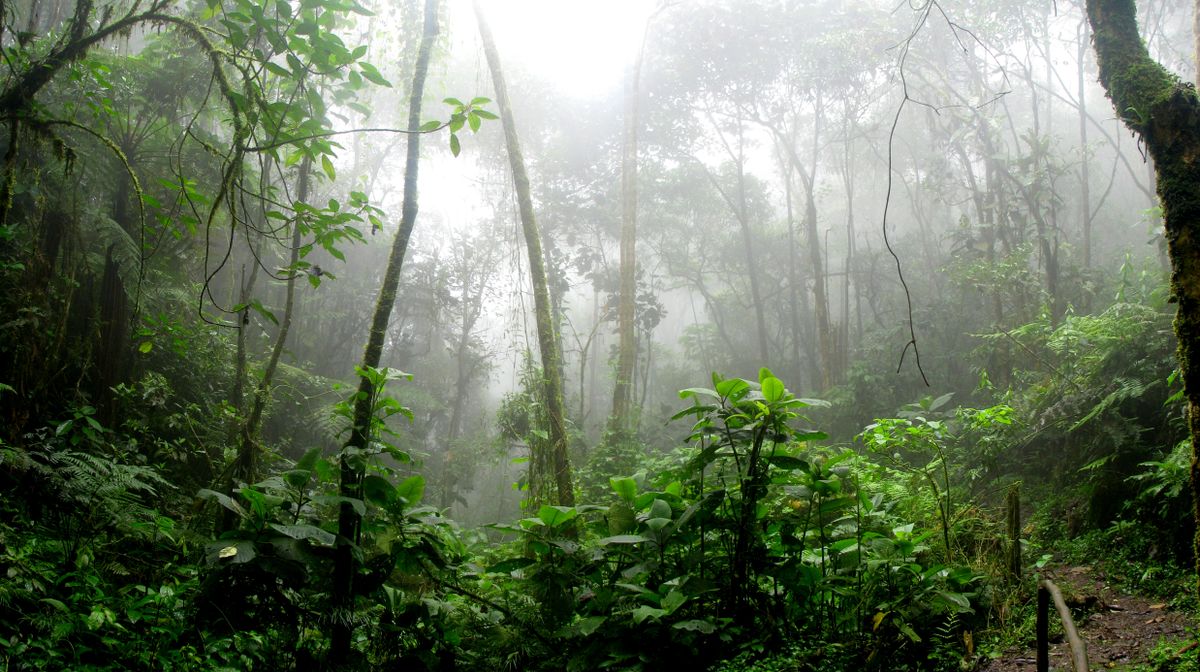
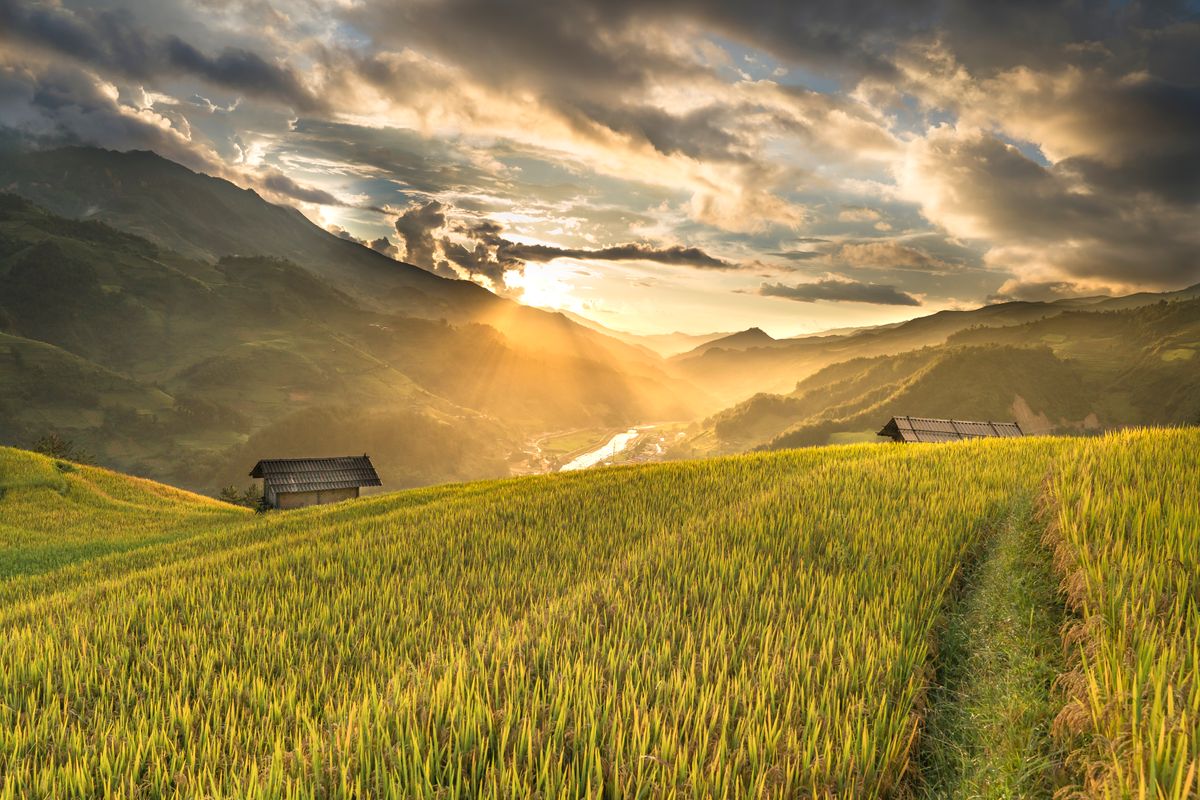
Communal landscape spanning Ambérac and Marcillac-Lanville, where farmland, riparian buffers along the Charente river basin, and oak-dominated woodlands require continuous wildlife population monitoring to safeguard rural tranquility.
Notre Mission • Association Loi 1901 Framework
Notre Mission d'Intérêt Général et d'Équilibre Agro-Cynégétique
The Association de Chasse de Ambérac Marcillac Lanville operates under the non-profit framework of the French Law of July 1, 1901 as a registered public-benefit communal entity dedicated exclusively to the preservation of ecological equilibrium, the defense of agricultural lands, and the protection of rural road safety across the territories of Ambérac, Marcillac-Lanville, and bordering Charente municipalities. In close coordination with municipal mayors, the Departmental Federation of Hunters of Charente, the French Biodiversity Office, and regional farming syndicates, our civic organization conducts systematic wildlife censuses, seasonal game population regulation, protective fencing installation around vulnerable cereal crops, and mandatory field safety protocols. All association activities are strictly charitable and educational, executed without commercial gain, ensuring that local biodiversity thrives while safeguarding agricultural crops and multi-use woodland access for all citizens.
Verified Operational Milestones (2025–2026 Cycle)
Our field operations rely on empirical survey data, GPS perimeter mapping, and statutory reporting submitted biannually to the Prefecture of Charente and departmental environmental bodies.
14,250
Monitored Hectares
Continuous ecological observation across mixed farming plots, private forest perimeters, and municipal commons.
88.4%
Damage Mitigation
Documented reduction in wild boar crop damage claims filed by local wheat, corn, and sunflower growers.
42
Structured Drives
Regulated communal field interventions conducted with 100% adherence to zero-incident safety protocols.
128
Volunteer Stewards
Active community participants engaged in path clearing, habitat observation, and boundary signage maintenance.
Communal volunteer team assembled in Ambérac for the mandatory early-morning briefing, reviewing GPS territorial boundaries, pedestrian exclusion corridors, and non-target wildlife conservation rules.
The Association de Chasse de Ambérac Marcillac Lanville is officially registered under the French Law of July 1, 1901 (Association Loi 1901) under RNA identifier W163004531 and SIREN registration 853620177. Our presence in the rural landscape of northern Charente is motivated entirely by the general public interest, environmental stewardship, and community solidarity.
How Our Association Is Funded: Our financial resources stem exclusively from non-commercial avenues governed by public law:
Annual Civic Membership Dues: Modest contributions paid by participating members and local landholders who share communal stewardship duties.
Public Subsidies & Municipal Grants: Program-specific operational grants allocated by municipal councils and departmental agencies to offset wildlife damage prevention expenses.
Ecosystem Partnership Allowances: Technical support provided by the Fédération Départementale des Chasseurs de la Charente and agricultural co-operatives for ecological fencing and deterrent materials.
Absolute Non-Commercial Guarantee: This association engages in zero commercial commerce. We do not sell goods, products, hunting tourism packages, or commercial services. We do not operate web carts, paid booking systems, or monetized platforms. All membership fees and dues are fully reinvested in the association's public interest missions.
Field observers assessing newly erected electric protective fencing and olfactory deterrent barriers along cereal fields in Marcillac-Lanville, preventing nocturnal intrusions without disturbing natural wildlife migrations.
Active Community Projects & Field Initiatives (2026)
Our field work is structured into four primary civic programs that directly benefit local farmers, rural motorists, environmental researchers, and outdoor enthusiasts throughout Ambérac and Marcillac-Lanville.
Field Execution
Wild Boar Demographic Regulation & Crop Defense
Wild boar (Sus scrofa) populations in the Charente basin expand rapidly without natural apex predators, leading to catastrophic rooting in newly sown winter wheat, corn crops, and private orchards. Our association coordinates with agricultural syndicates to identify high-vulnerability corridors, installing solar-powered temporary electric fences and executing targeted population containment in strict compliance with prefectural quotas.
Annual Target Quota Fulfillment84%
Operational Impact: Over 18 kilometers of protective perimeter monitored; verified 62% reduction in agricultural insurance compensation demands across member communes in 2025.
Ungulate road collisions on departmental routes D737 and adjacent rural arteries present severe physical hazards for daily commuters and freight vehicles. Through systematic brush clearing along road verges, installation of high-reflectivity wildlife warning posts, and seasonal alerts published through municipal notice boards, we protect motorists and animal welfare simultaneously.
Signage Installation & Maintenance92%
Operational Impact: 34 high-risk road crossing zones equipped with visual warning reflectors; zero severe human injuries recorded on communal bypass roads during the 2025/2026 winter season.
Modern agricultural intensification has historically fragmented natural vegetative corridors. Our volunteers partner with local landowners to plant indigenous shrub hedges (hawthorn, blackthorn, hazel, dogwood) that provide nesting habitats for small game birds, pollinators, and beneficial predators while preventing topsoil erosion during heavy Atlantic rain events.
Linear Hedgerow Target (5,000m)76%
Operational Impact: 3,800 linear meters of diversified native bocage replanted since 2024; creation of 12 natural water catchment points supporting avian biodiversity during summer droughts.
Sharing the countryside harmoniously requires mutual understanding between hunters, agricultural producers, mushroom foragers, horse riders, and recreational hikers. Our association organizes open educational workshops, publishes real-time hunting zone schedules on municipal boards, and distributes bright safety marker tape for trail runners and walking clubs.
Public Sessions Completed (2026 Target)65%
Operational Impact: 8 public dialogue assemblies convened with village councils; 100% of regulated outdoor outings publicized in advance via municipal bulletin boards and partner notices.
Rigorous Methodology: Science-Grounded Land Stewardship in Rural Charente
The rural landscapes encompassing Ambérac, Marcillac-Lanville, and neighboring villages within the canton of Jarnac and the Charente valley represent an intricate mosaic of calcareous limestone plateaus, alluvial river bottoms, cereal farmland, and fragmented hardwood groves. This unique ecosystem has supported traditional agriculture for centuries, cultivating wheat, barley, rapeseed, and vineyards that contribute to the regional economic fabric of southwestern France.
However, the profound demographic transformations of rural France over recent decades—including the consolidation of farm plots, changes in crop rotation cycles, and milder winter temperatures driven by climatic shifts—have dramatically altered the breeding cycles of wild ungulates. Wild boar females (laies) frequently produce two litters per year in the presence of abundant maize and acorn mast, while roe deer (Capreolus capreolus) populations expand without natural regulation. Without active, coordinated, and scientifically grounded civic management, these populations inevitably overwhelm the carrying capacity of their natural woodland habitats.
The Association de Chasse de Ambérac Marcillac Lanville serves as the frontline public-interest entity ensuring that this ecological dynamic does not collapse into severe agricultural crisis or endanger public roadways. Every winter season, our association collaborates with the Fédération Départementale des Chasseurs de la Charente to establish baseline census counts using night spotlight transects, camera traps, and ground footprint observations. These metrics are compiled into standardized biological indices submitted to the Departmental Commission on Hunting and Wildlife (CDCFS).
Through these systematic monitoring efforts, our volunteer stewards gather indispensable environmental data that informs local agricultural planning. When crop harvesting commences in late summer, our teams coordinate directly with tractor operators and harvesting combines to ensure that wildlife is gently steered away from agricultural machinery, minimizing casualties and preserving the ecological integrity of the countryside.
Ecological field observer recording biological track indices and camera trap logs along a mixed oak-beech forest boundary in Ambérac to evaluate demographic ungulate density.
Democracy, Volunteerism & Community Oversight
Unlike commercial hunting clubs or private sporting estates that monetize access to wildlife, our association operates in strict conformity with the democratic ethos of the French Association Loi 1901. Every resident of Ambérac and Marcillac-Lanville, whether an active field participant, a rural landowner, or a civic volunteer interested in trail maintenance, has the right to participate in our Annual General Assembly. Voting is conducted on a strictly egalitarian basis: one member, one vote.
The management board—comprising our elected President, Secretary, and Treasurer—serves on an entirely voluntary, uncompensated basis (bénévolat strict). No salaries, performance bonuses, or dividends are ever disbursed. Financial records, equipment purchases (such as fluorescent safety vests, acoustic warning devices, and electric fencing rolls), and administrative expenses are subjected to annual internal audits and presented publicly at the communal hall of Ambérac for civic scrutiny.
This commitment to transparency builds enduring trust among all communal stakeholders. Landowners who contribute their property to the communal territory do so with full confidence that their rights will be respected, that fences will be maintained, and that gates will be closed. Similarly, village families walking along marked forest paths know that their safety is safeguarded by visible perimeter notices and disciplined volunteer marshals who prioritize human life above all other considerations.
Furthermore, our association maintains an open dialogue with regional environmental organizations, sharing our survey data on migratory bird patterns, wetland conservation, and forest health. By viewing wildlife regulation as one component of a broader ecological stewardship mission, we contribute to a sustainable rural future where human communities and natural habitats coexist in resilient harmony.
Volunteer conservationists clearing fallen timber and maintaining access along multi-use forest trails shared by hikers, mushroom gatherers, and field stewards.Inspection of fluorescent perimeter boundary signs, high-visibility orange apparel, and walkie-talkie communication devices to ensure complete safety during community outdoor operations.
Sustaining Agriculture & Biological Equilibrium in the Charente River Valley
The relationship between agriculture and wildlife in the Charente department is one of historical interdependence. When grain crops ripen in July and August, fields of wheat, barley, and sunflowers represent an irresistible food source for wild boars migrating from the dense woodland massifs bordering Ambérac and Marcillac-Lanville. Without rapid, coordinated deterrence, a local farmer can lose weeks of laborious cultivation and thousands of euros in capital investments overnight.
Our association responds to this challenge through a multi-tiered defense strategy developed over decades of hands-on experience. First, we install temporary solar-powered electric fences along vulnerable crop edges. These fences deliver an unpleasant but harmless electrical pulse that deters boars from entering the fields while allowing smaller wildlife, such as hares and partridges, to pass underneath freely.
Second, our volunteer teams conduct twilight perimeter patrols to detect early rooting activity before damage becomes severe. By identifying the exact game trails used by sounders, we can deploy natural sensory deterrents or adjust our seasonal regulation plans to focus on the most pressured agricultural sectors. This close cooperation between farmers and volunteer stewards has transformed potential conflict into a model of rural mutual aid.
In addition to agricultural protection, our association is deeply invested in the long-term health of local woodlands. When wild ungulate populations become excessively dense, they consume vast quantities of tree acorns and browse young oak and hornbeam seedlings down to the ground. This over-browsing prevents natural forest regeneration, leaving the woodland canopy vulnerable to storm damage, drought, and disease.
By maintaining deer and boar populations at levels compatible with the forest's biological carrying capacity, our volunteer stewards ensure that diverse tree species can mature naturally, creating multi-layered forest structures that support hundreds of species of insects, birds, and small mammals. We also work to preserve old-growth hollow trees, which provide nesting cavities for owls, bats, and other protected cavity-nesting species.
Every member of our association is trained to recognize the signs of environmental distress in the forest. Whether reporting outbreaks of oak processionary caterpillars, monitoring signs of ash dieback (chalara), or assisting municipal workers with clearing blocked culverts during autumn rains, our presence in the field represents a continuous, vigilant stewardship that benefits the entire rural community.
Support Rural Balance & Community Safety in Ambérac and Marcillac-Lanville
Whether you are a farming landowner seeking assistance with protective perimeter fencing, a local resident wishing to understand seasonal wildlife schedules, or a volunteer eager to assist with habitat restoration, our municipal doors are always open.
Thank you for contacting the Association de Chasse de Ambérac Marcillac Lanville. Your public inquiry or volunteer application has been formally logged with the municipal secretariat. Our volunteer team will review your message under our non-profit charter and respond promptly.